

14
Oct
26
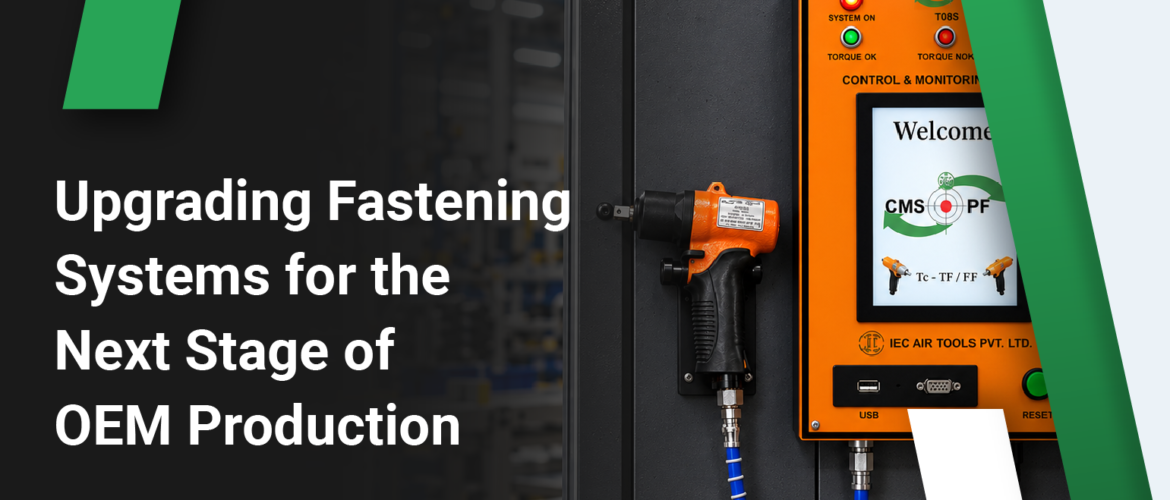
Upgrading Fastening Systems for the Next Stage of OEM Production
India’s manufacturing base is moving towards more technology-intensive production. Medium- and high-technology activities account for 46.3% of the country’s manufacturing value added, according to the Economic Survey 2025–26. As OEM production expands, higher volumes, additional variants, tighter process requirements and greater demand for process control can change what established production…
06
Oct
26
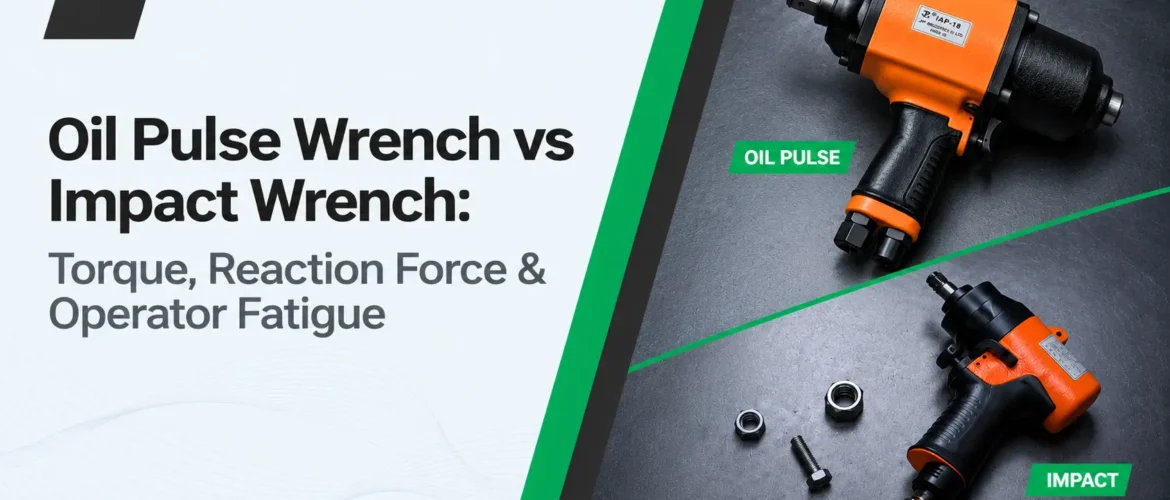
Oil Pulse Wrench vs Impact Wrench: Torque, Reaction Force & Operator Fatigue
Choosing between an oil pulse tool and impact wrench depends heavily on how the fastening operation behaves on the production floor. Both are pneumatic tools capable of delivering high torque, but they generate that torque differently. An oil pulse wrench uses a hydraulic pulse mechanism, while an impact wrench uses…
06
Oct
26
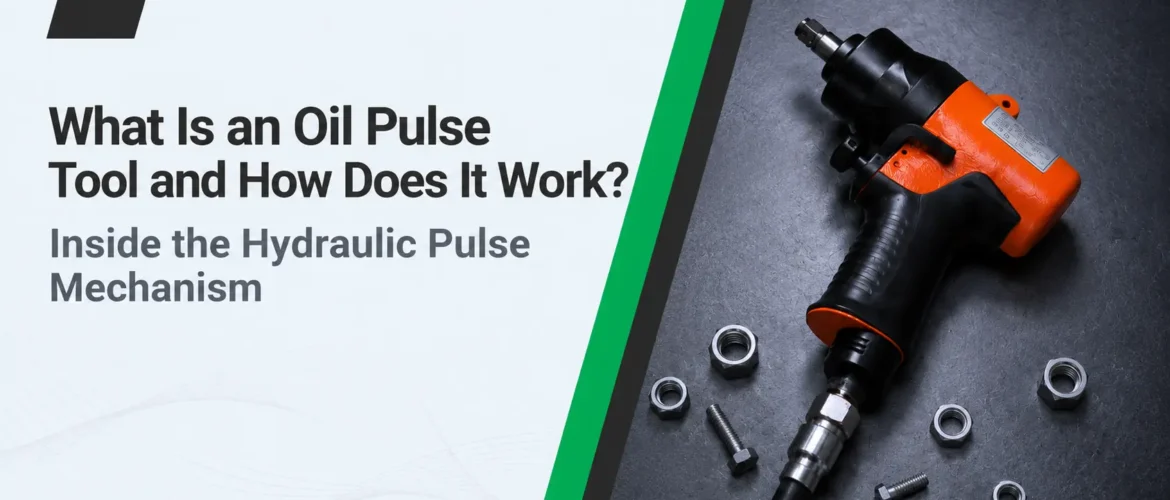
What is an Oil Pulse Tool and How Does It Work?
An oil pulse tool uses compressed air to generate torque through a hydraulic pulse mechanism. The basic system combines an air motor with a hydraulic pulse unit, allowing the tool to deliver high torque in short pulses rather than through the repeated mechanical impacts used by a conventional impact wrench.…
06
Oct
26
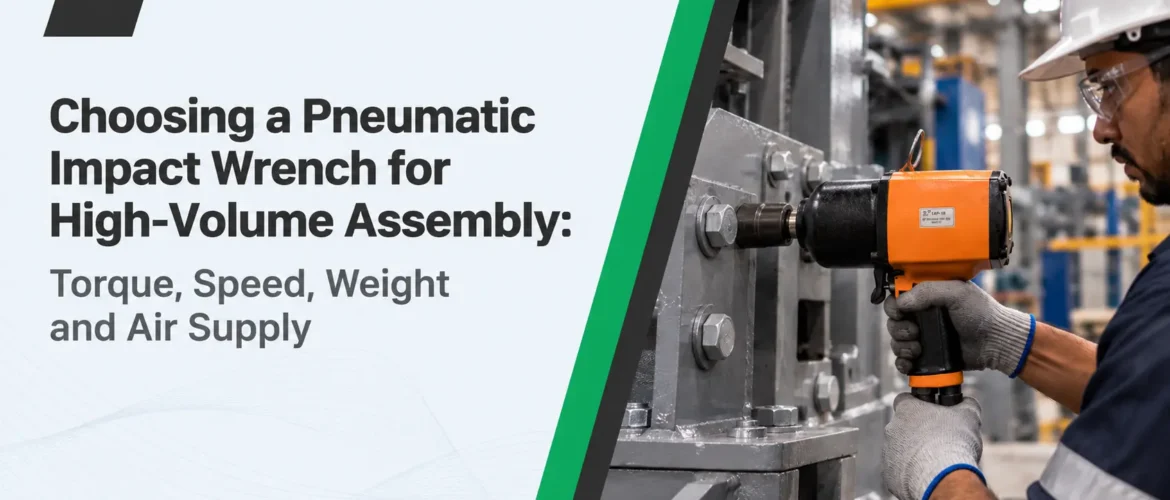
How to Choose a Pneumatic Impact Wrench for High-Volume Assembly
In high-volume assembly, the right pneumatic impact wrench depends on the fastening application, production cycle, operator requirements and available air supply. Torque capacity is one part of that decision, alongside speed, tool weight, configuration and expected usage. For applications where fast rundown, high torque output and durable operation are priorities,…
28
Sep
26
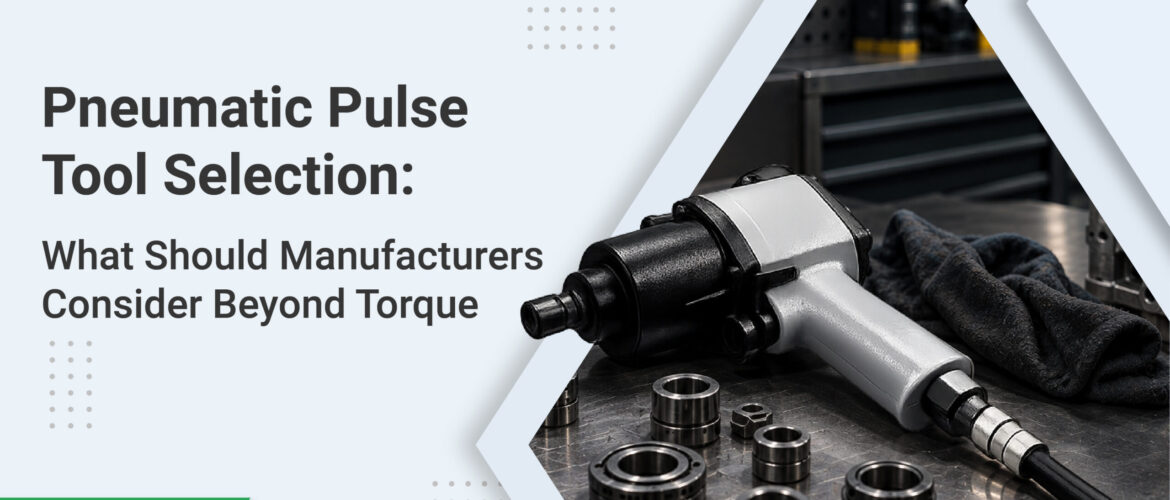
Pneumatic Pulse Tool Selection: What Should Manufacturers Consider Beyond Torque
Selecting a pneumatic pulse tool involves more than matching the tool’s torque range to the fastening requirement. Torque remains an important starting point, but the joint, production volume, tool configuration, and operator requirements can all influence whether a particular tool is suitable for the application. Two applications with similar torque…
18
Sep
26
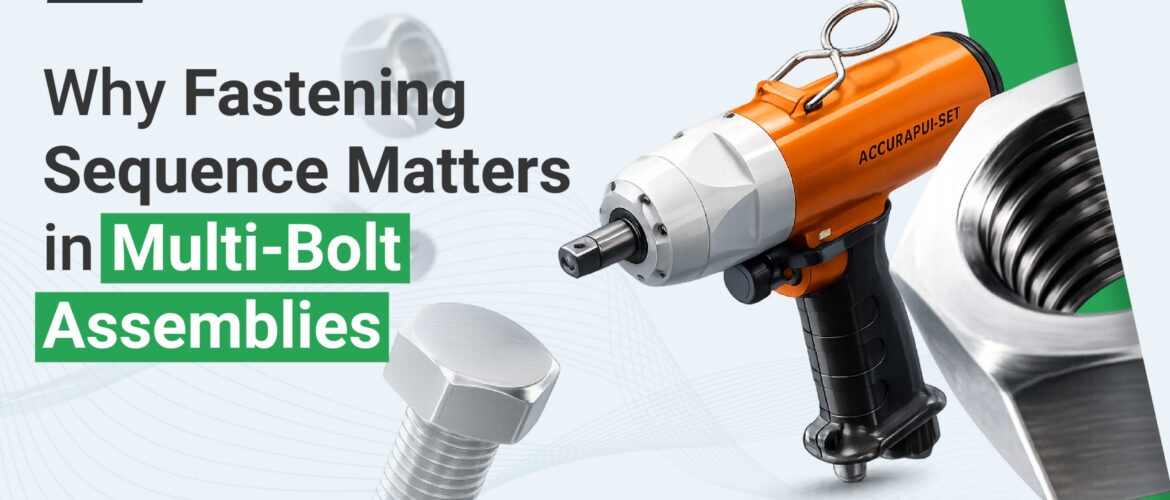
Why Fastening Sequence Matters in Multi-Bolt Assemblies
A multi-bolt joint can have every bolt tightened to the correct torque and still end up with an uneven preload distribution. The reason is simple: bolts do not behave independently. As one bolt is tightened, it changes the loading and deformation around the joint. When the next bolt is tightened,…
14
Sep
26
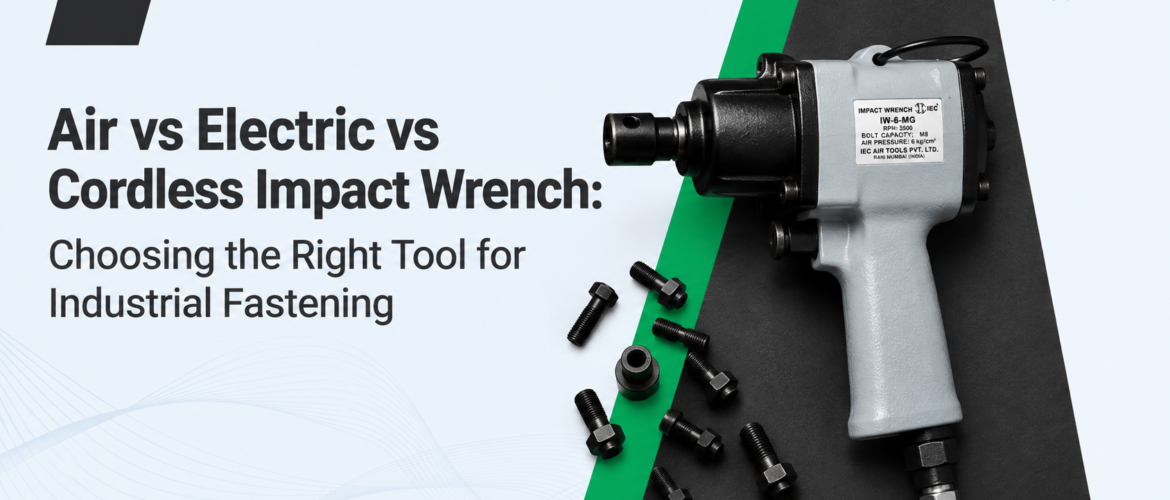
Air vs Electric vs Cordless Impact Wrench: Which Is Best for Industrial Use?
Choosing the right impact wrench for industrial use is not simply a question of maximum torque. Production environments place different demands on fastening tools, including cycle time, operator fatigue, mobility, maintenance, infrastructure, and the type of work being performed. This is why the choice between an air impact wrench, electric…
Load More