Category: Air Tools

Impact Wrench

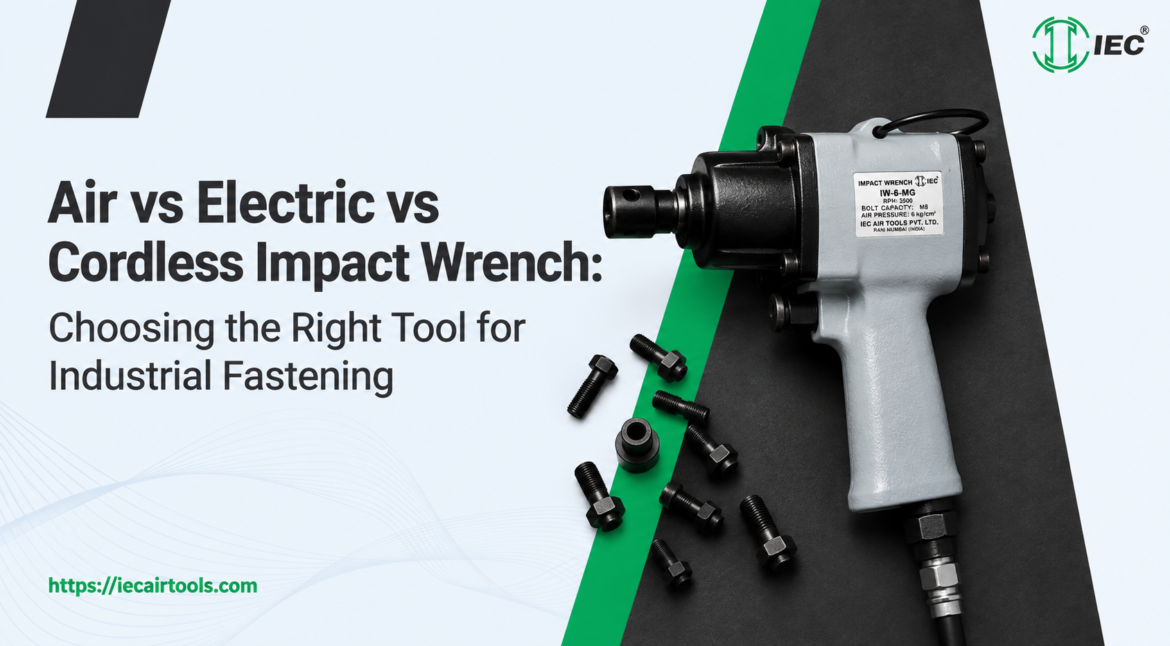
Air vs Electric vs Cordless Impact Wrench: Which Is Best for Industrial Use?

Choosing the right impact wrench for industrial use is not simply a question of maximum torque. Production environments place different demands on fastening tools, including cycle time, operator fatigue, mobility, maintenance, infrastructure, and the type of work being performed. This is why the choice between an air impact wrench, electric…

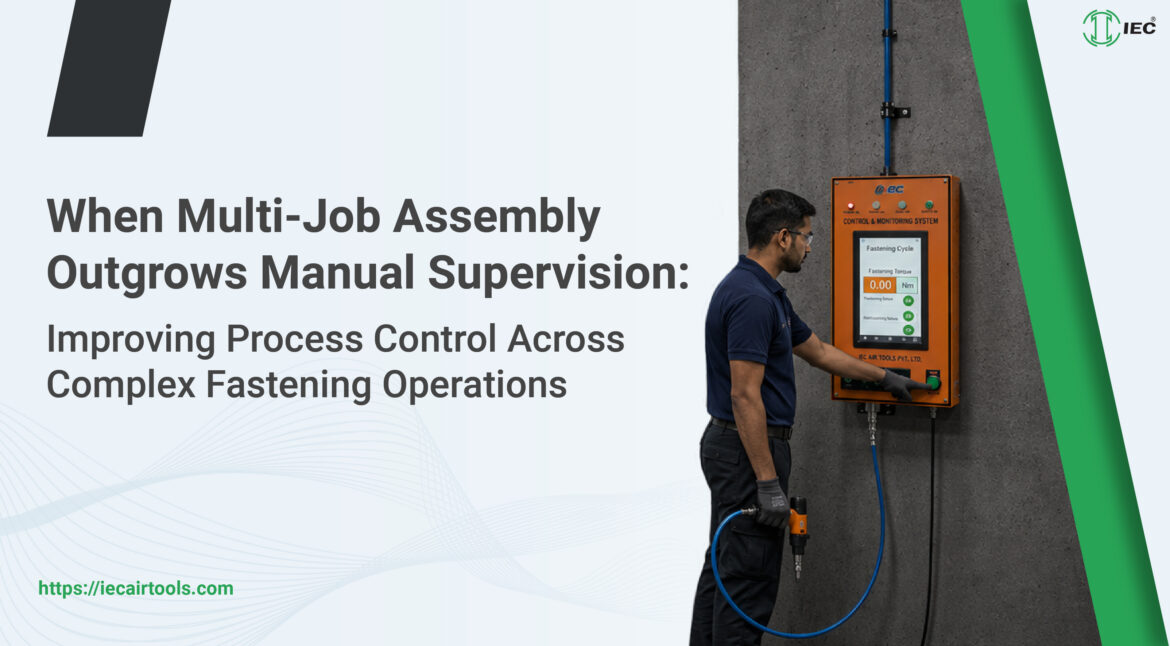
When Multi-Job Assembly Outgrows Manual Supervision: Improving Process Control Across Complex Fastening Operations

Modern manufacturing is no longer built around a single assembly process. Production lines often handle multiple products, different fastening requirements, and changing production schedules within the same shift. This flexibility improves manufacturing capability but also makes the fastening process more difficult to manage. Different jobs require different torque values, workflows,…

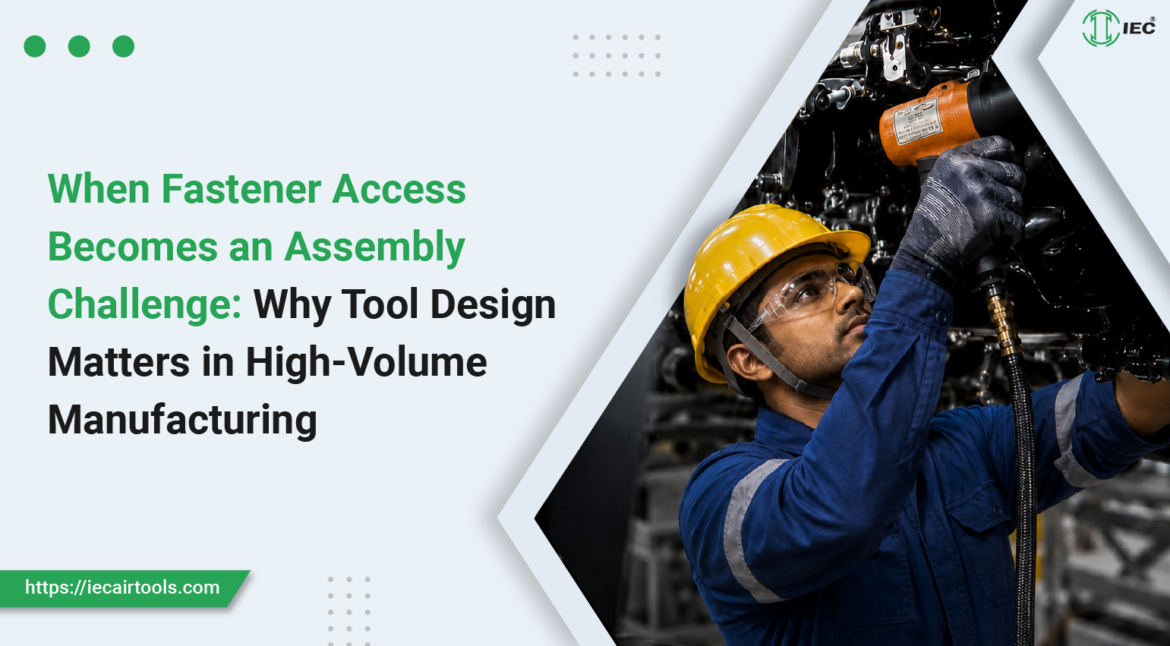
When Fastener Access Becomes an Assembly Challenge: Why Tool Design Matters in High-Volume Manufacturing

In modern manufacturing, not every fastening operation takes place in an open, easily accessible location. Across automotive, industrial equipment, commercial vehicle, and appliance production, operators often work inside engine compartments, gearbox housings, deep structural frames, and enclosed assemblies where reaching the fastener itself becomes part of the challenge. While the…

Process Verification in Engine Assembly: Ensuring Reliable Fastening for Leak-Critical Applications

Not every fastening operation in an engine carries the same level of manufacturing risk. While many joints primarily provide structural support, others play a direct role in maintaining sealing integrity within critical fluid systems. Oil cooler assemblies are one example. These assemblies help manage engine oil circulation under operating conditions,…

Why Total Cost of Ownership (TCO) Matters More Than Tool Price in Automotive Assembly

In high-volume automotive manufacturing, assembly systems are expected to operate continuously under demanding production conditions. Every station is connected to takt time, throughput balance, and delivery schedules. Under these conditions, the effect of a tool issue rarely remains isolated to a single operation. A short interruption in fastening can influence…

How Assembly Consistency Supports Product Quality in Refrigerator Manufacturing

In refrigerator manufacturing, product quality is influenced by far more than component design alone. Every refrigerator passes through hundreds of assembly operations before it reaches the customer, and the quality of those operations helps shape the quality of the finished product. This is one reason why manufacturers increasingly focus on…

Fastening Process Control in the Two Wheeler Industry: The Role of Pulse Tools in High-Volume Assembly

Consistent tools support consistent assembly, and consistent assembly defines product reliability. The two wheeler industry operates on speed, precision, and repetition. Across a modern automotive assembly line, fastening is performed continuously (often hundreds of times per shift) under varying production conditions. Within this manufacturing assembly process, achieving a target torque…

Retapping in Production: A Hidden Layer of Process Stability in Air Tapping Operations

In high-volume manufacturing, processes are designed for consistency. Parts move from machining to coating to assembly with the expectation that each stage delivers predictable results. But in reality, components don’t always arrive in perfect condition. Coatings enter threaded holes. Welding introduces slight distortion. Handling and transport may cause minor damage…